Our Community outreach programs
The Live Well Rwanda Community Program is rooted in the belief that true healing happens when we give back and heal together as one community. Since 2020, our work has focused on three core pillars: nutrition, food security, and mental health.
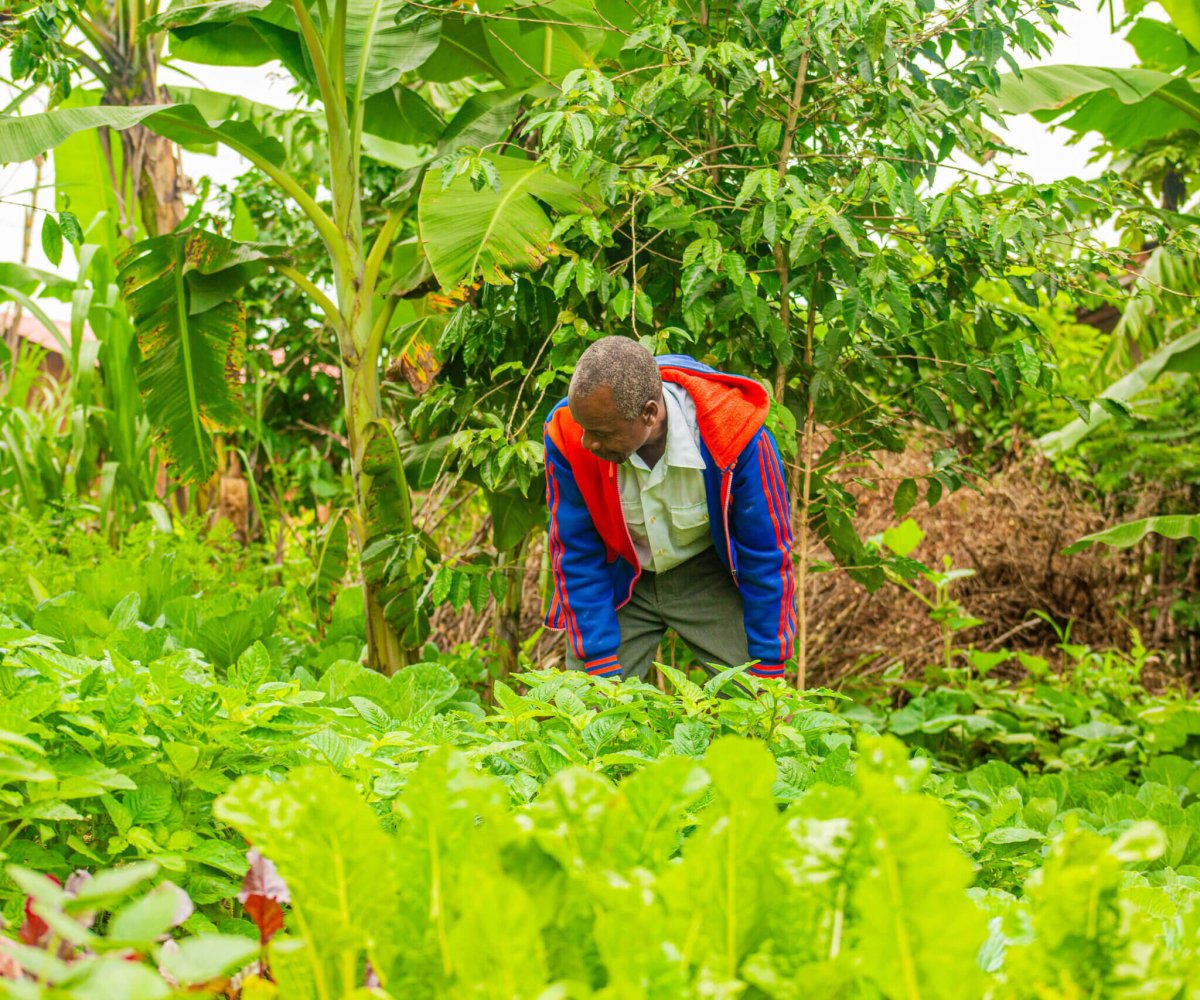
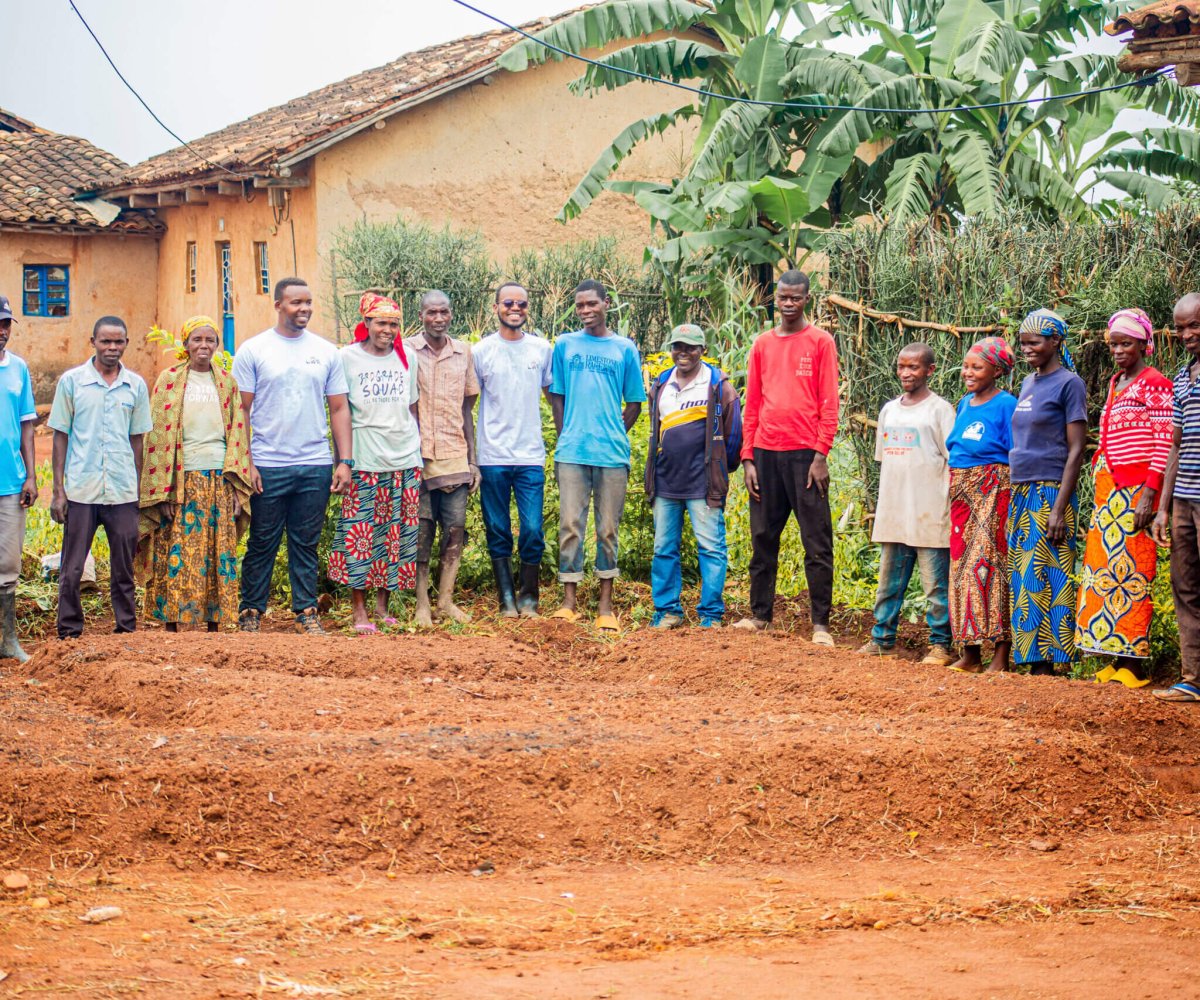
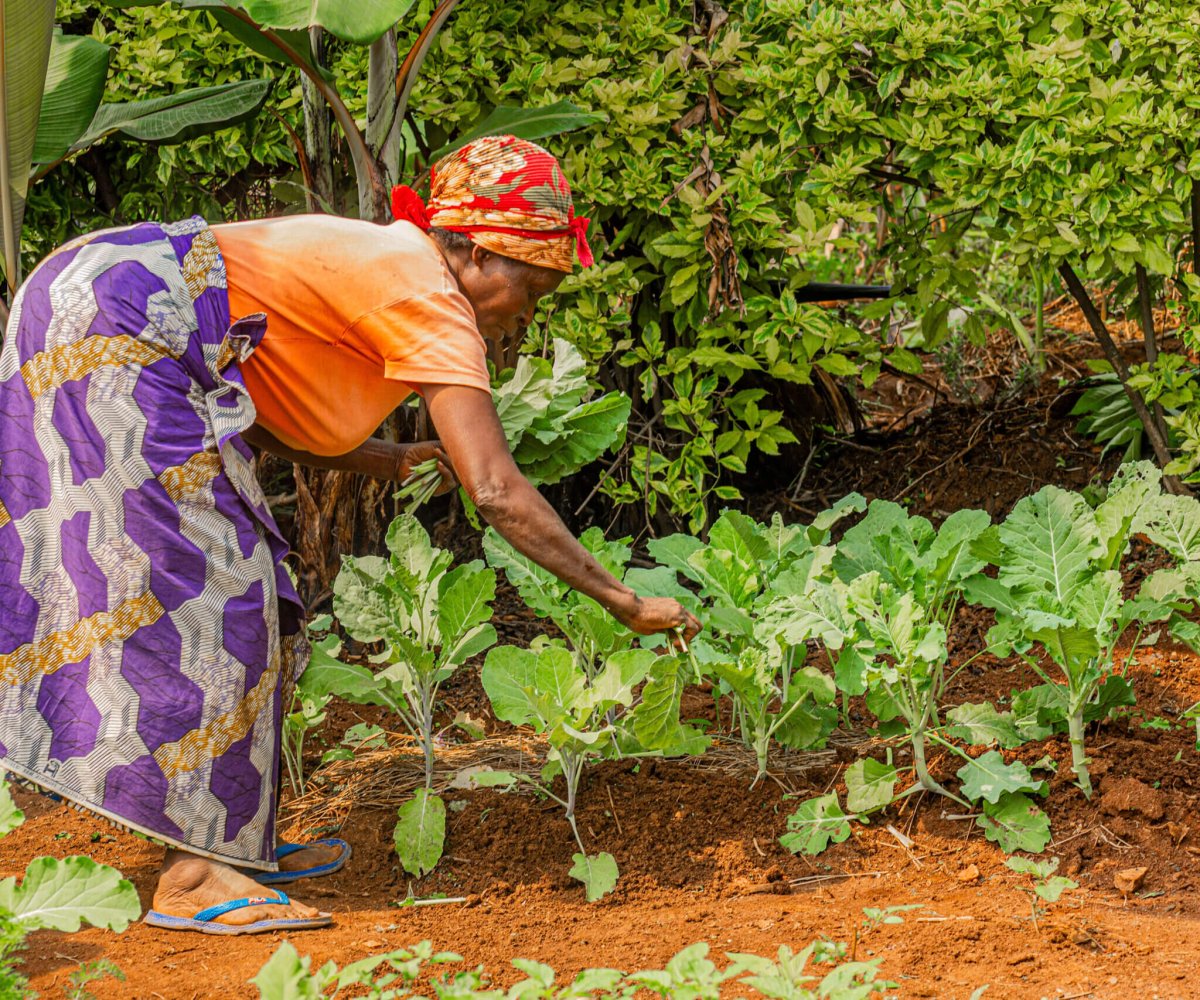
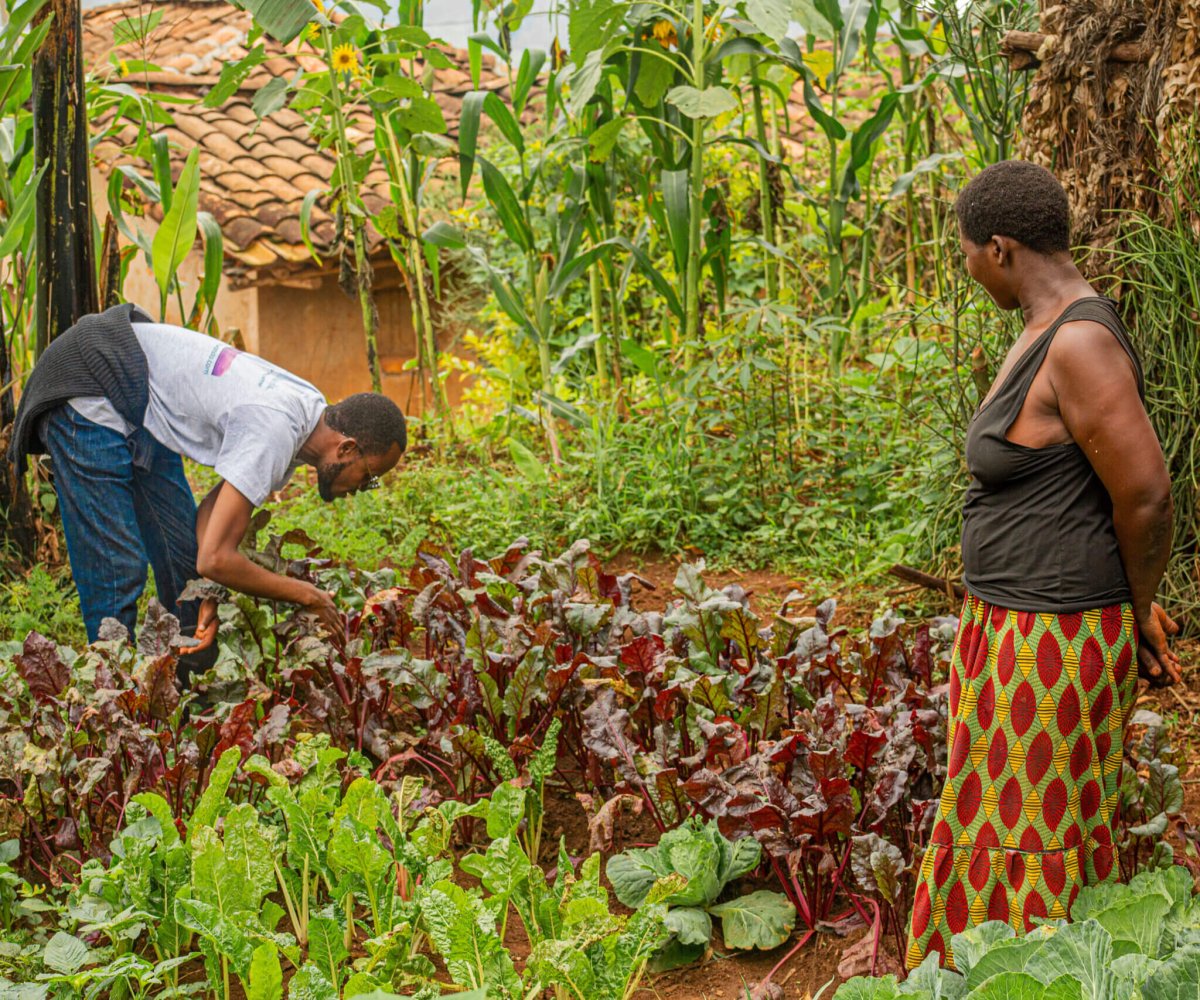
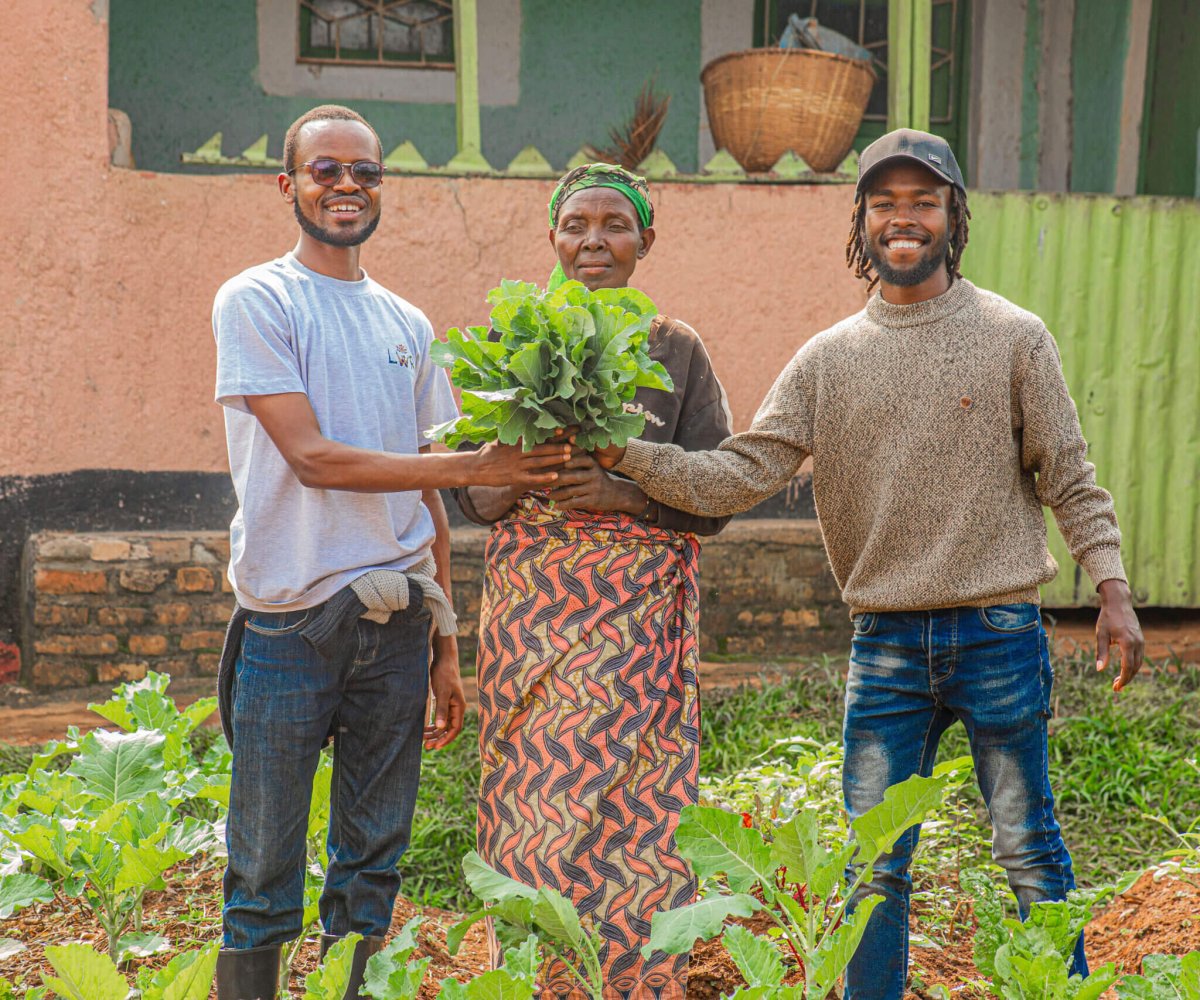
Through our nutrition program, Live Well Rwanda has trained over 2,000 families in permagarden—a sustainable home-gardening approach that enables families to grow fresh, organic vegetables year-round in their own yards.
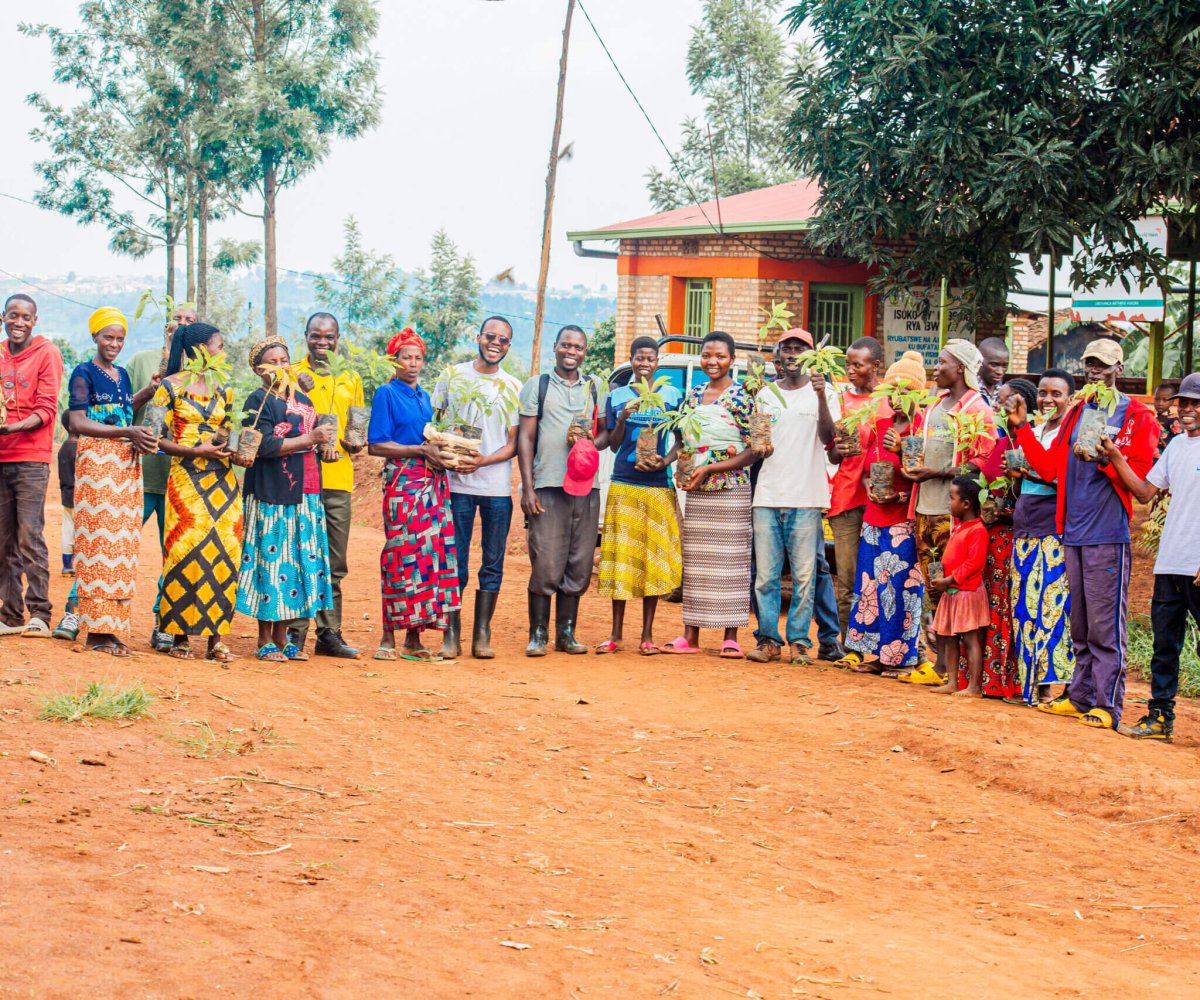
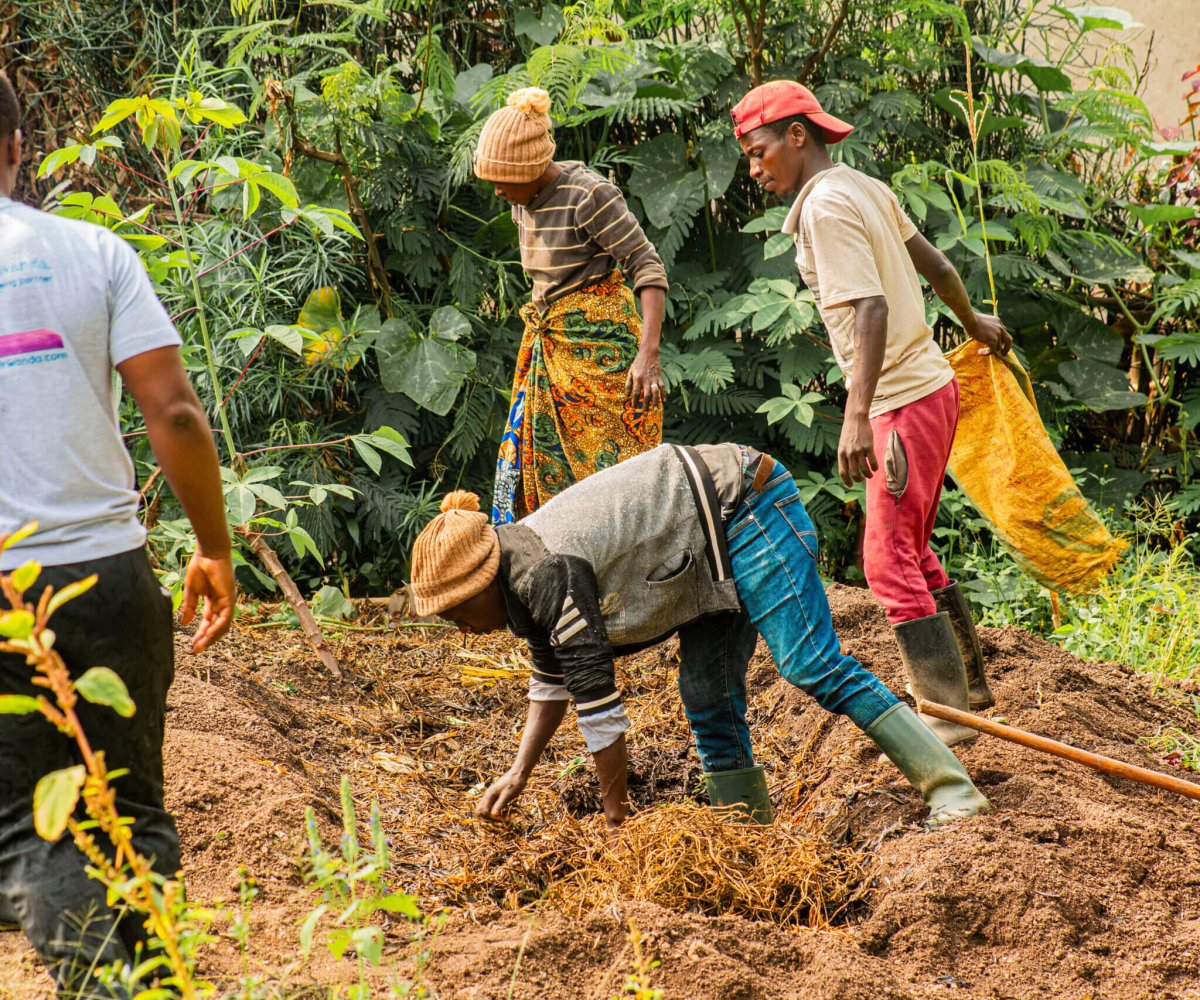
In 2025, we expanded our food security efforts by training 125 families in conservation agriculture using the Foundations for Farming approach. This method empowers families to use locally available resources, reduce inputs, and increase yields sustainably.
Mental health remains a central focus of our community work. In 2024, Live Well Rwanda facilitated a research-based learning project on trauma-informed yoga for adolescents conducted by Rayha Kelly McPherson from Harvard University. Over a 12-week period, we facilitated two weekly sessions for 34 young people aged 13–17, exploring how trauma-informed yoga can support stress management, healing from depression, and unprocessed trauma. The findings showed strong positive outcomes, highlighting trauma-informed yoga as a valuable complementary therapy for mental health support.
In partnership with AZAHAR Foundation, Live Well Rwanda also implements peace and wellness programs, coordinating trauma-sensitive wellness sessions for youth, women, and survivors through AZAHAR’s partner organizations. These programs support holistic healing and strengthen physical, emotional, and mental wellbeing.
We warmly invite you to partner with us, volunteer, or support any of our three community programs:
- Nutrition through permagarden training
- Food security through conservation agriculture using the Foundations for Farming approach
- Mental health through trauma-informed mind–body wellbeing practices
We believe our lives are deeply interconnected. When we nurture harmony within the whole system, even small positive actions can contribute to the wellbeing of families, communities, and society as a whole.